Featured briefing
Trump’s Comments on Irish Reunification Spark Diplomatic Speculation
 1 / 3
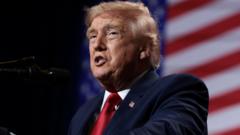
1 / 3President Donald Trump’s recent weekend visit to Ireland took an unexpected turn when he waded into the delicate and historically fraught debate regarding Irish reunification. During discussions in Dublin, the president suggested that a unified Ireland would be a positive development, remarking that he would like to see the Republic of Ireland and Northern Ireland come together. While acknowledging that the United Kingdom would inevitably have a role in that process, he expressed a belief that such a transition could occur sooner rather than later.
The remarks sparked immediate debate over whether the comments signified a formal adjustment to American foreign policy or simply an off-the-cuff response to media inquiries. Observers familiar with the intricacies of the Good Friday Agreement maintain that the United States remains firmly committed to the established peace framework. Political figures and former diplomatic envoys have suggested that the president’s sentiments do not signal an active push for border changes, characterizing the statements as personal musings rather than a shift in institutional strategy.
The tension surrounding the status of Northern Ireland is rooted in a long history of conflict between nationalist and unionist communities. A landmark 1998 peace accord largely quieted the decades of violence known as the Troubles, but the agreement intentionally left the region’s ultimate constitutional status open to a future democratic vote. Current British leadership has reiterated that any move toward a referendum remains contingent on significant shifts in public opinion, leaving the regional status quo intact for the foreseeable future.
Some analysts suggest that the president’s focus on the issue, along with recent comments concerning the Falkland Islands, may be tied to frustration with London. There has been noticeable friction regarding the United Kingdom’s reluctance to support U.S. military operations in Iran, leading to speculation that these diplomatic interventions function as a rebuke of British policy. By questioning the United Kingdom’s sovereign claims and internal stability, these remarks may be intended to apply pressure on the British government during a period of geopolitical disagreement.
Beyond international relations, the timing of the rhetoric invites questions about the president's domestic political goals. With midterm elections approaching, the remarks could be designed to appeal to specific demographics within the United States, particularly Irish-American voters who occupy a significant and often contested space in the electorate. While this voting bloc is no longer the monolith it once was, appealing to sentiments surrounding heritage and international peace remains a traditional feature of American political campaigning.
The visit also included a meeting with Irish President Catherine Connolly, a figure who has historically been a vocal critic of the U.S. administration. Their encounter provided a sharp contrast in political perspectives, with the Irish head of state using the platform to address the morality of modern conflicts and the impact of American influence abroad. Ultimately, the broader political and diplomatic ramifications of the visit remain subject to interpretation, leaving both international allies and domestic observers to weigh whether these statements represent a deliberate challenge to the status quo or a transient moment in a fluid diplomatic tour.
Reporting consulted
Sources
Keep reading
More featured briefings

Deep Dive · 3h ago
Canada and the European Union Explore Unprecedented Associate Membership

Deep Dive · 10h ago
As AI Capabilities Expand, Industry Leaders Clash Over Risks and Oversight

Deep Dive · 21h ago